

When does a company go bankrupt?
A company is declared bankrupt when it can no longer pay its debts. Bankruptcy proceedings can be initiated by different parties. Creditors may file a claim before the Enterprise Court, or the company itself may apply for bankruptcy.
The court then decides whether the company should be declared bankrupt. If the bankruptcy is officially opened, the company can no longer freely dispose of its assets or income during the bankruptcy proceedings.
How does a company file for bankruptcy itself?
If a company decides to file for bankruptcy voluntarily, the procedure starts with a formal declaration.
This declaration must be submitted online to the Enterprise Court within one month. The platform used for this purpose is the Central Registers for Solvency and Collective Debt Settlement, better known as RegSol.
Within the same month, the company must also arrange for the cancellation of its registration in the Crossroads Bank for Enterprises and its commercial status through an accredited business office.
The liquidation of debts
Once the Enterprise Court has opened the bankruptcy proceedings, a trustee and a supervisory judge are appointed. The trustee prepares an inventory of all movable and immovable assets, as well as all outstanding debts. Assets that still have value are sold under the supervision of the supervisory judge. In some cases, the trustee will also attempt to recover outstanding invoices owed to the bankrupt company by its own debtors. Finally, the trustee distributes the available funds among the creditors, taking into account any preferential rights held by parties such as banks or government authorities.
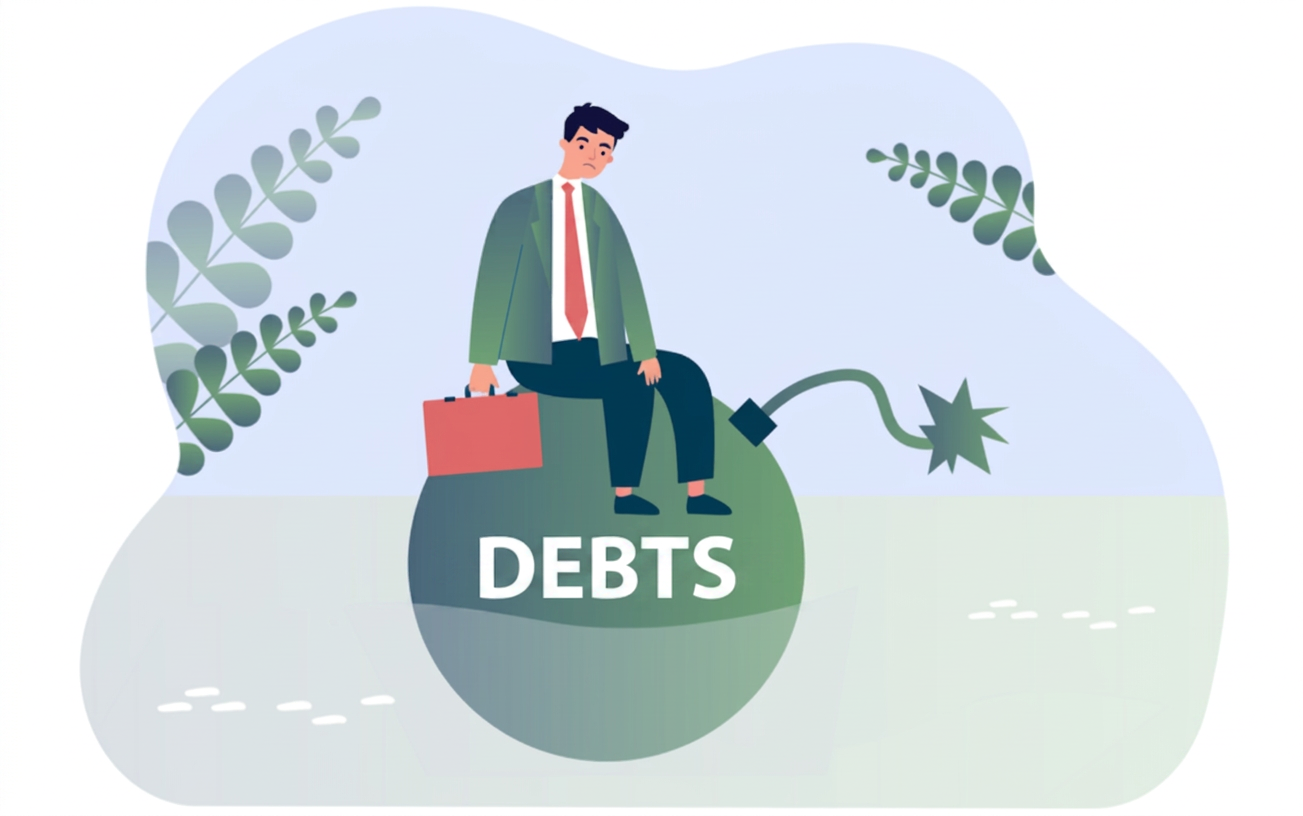
Remaining debts
Not all debts can necessarily be settled during the liquidation process. These are referred to as the remaining debts of the bankruptcy. If the Enterprise Court decides to discharge these debts, they no longer have to be paid. As a creditor, this can be extremely frustrating. That is why it is essential to act quickly when your invoices remain unpaid.
Closing the bankruptcy
The bankruptcy procedure officially ends when the court issues a closing judgment. Several steps must therefore be completed after the bankruptcy has been opened before the company is definitively declared bankrupt. For companies whose bankruptcy was initiated through legal proceedings before the Enterprise Court, it is still possible to challenge the decision before it becomes final. For example, the court may decide to revoke the opening of the bankruptcy if the company can present a convincing plan to repay its outstanding debts.
Can you start again after a bankruptcy?
In theory, it is possible to set up a new business without any problems following a bankruptcy, although there is one important exception to this. If it transpires that a person contributed to the bankruptcy of their business through gross negligence, the Commercial Court may prohibit them from setting up a new business. Furthermore, the criminal court may even impose a professional ban on top of this, which can last for three to ten years from the date of the bankruptcy declaration. However, if the person’s reputation is restored, this ban may still be lifted by the court.
Prevent unpaid invoices due to bankruptcy
A bankruptcy can happen unexpectedly. Macroeconomic factors such as a pandemic, inflation, or high energy costs can suddenly push an otherwise healthy company into financial difficulty. That is why it is important to monitor your outstanding invoices closely and take action to recover payment as early as possible. The longer an invoice remains unpaid, the smaller the chance of successful recovery and the greater the risk that your customer may go bankrupt.
